
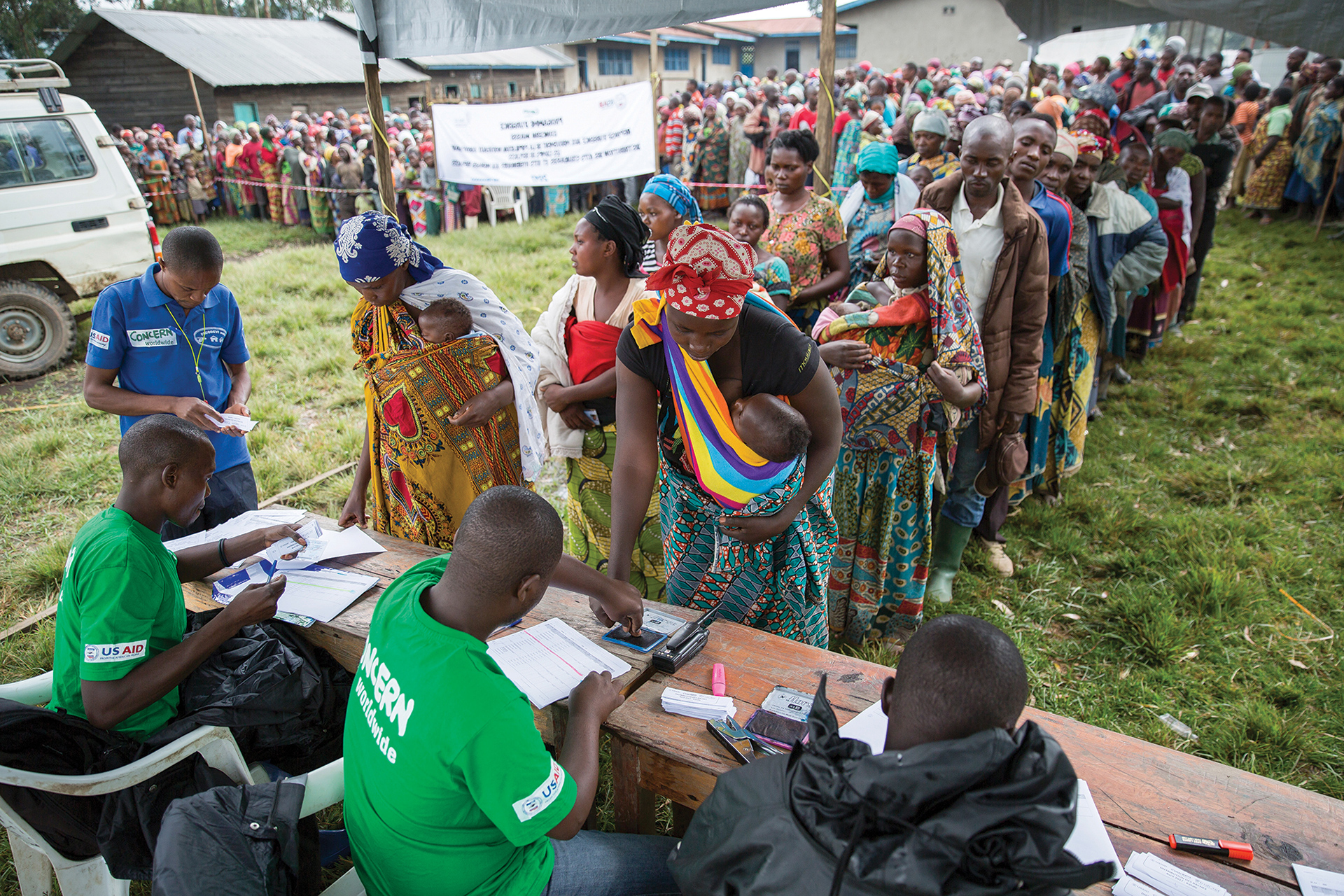

As global humanitarian needs expand, non-governmental organizations (NGOs) are confronting a paradox: rising demand for services amid increasingly constrained and competitive funding streams. From grassroots community groups to large international agencies, the race for donor attention has intensified, reshaping how organizations structure proposals, demonstrate impact, and sustain long-term operations.
A Crowded Funding Ecosystem
The donor landscape has become more complex over the past decade. Traditional funding sources—government grants, multilateral agencies, and philanthropic foundations—remain central, but competition has grown as more NGOs enter the sector and as donors tighten compliance requirements.
Institutional funders now prioritize measurable outcomes, cost-efficiency ratios, and risk mitigation frameworks. Proposal evaluation processes are more rigorous, often requiring detailed monitoring and evaluation (M&E) plans, impact forecasts, and audited financial records. For smaller NGOs with limited administrative capacity, meeting these thresholds can be resource-intensive.
Simultaneously, private philanthropy has evolved. Individual donors increasingly expect transparency, regular updates, and demonstrable social return on investment (SROI). This shift compels NGOs to operate with heightened accountability standards.
Donor Fatigue and Economic Pressures
Macroeconomic volatility, inflationary pressures, and geopolitical uncertainty have contributed to donor fatigue in some regions. Households facing financial strain may reduce charitable giving, while governments may reallocate foreign aid budgets toward domestic priorities.
For NGOs, this environment necessitates diversification strategies. Reliance on a single major donor now represents a significant operational risk. Organizations are therefore expanding into blended financing models that combine grants, corporate partnerships, recurring individual contributions, and social enterprise revenue streams.
Strategic Differentiation
In a competitive landscape, differentiation is critical. NGOs are refining their value propositions by emphasizing specialization, local knowledge, and measurable outcomes. Instead of broad mandates, many organizations are narrowing their focus to establish subject-matter expertise—whether in climate resilience, maternal health, education access, or human rights advocacy.
Data-driven storytelling has also become a strategic tool. Impact reports now incorporate quantitative metrics alongside beneficiary narratives to balance emotional engagement with empirical credibility. This dual approach strengthens grant applications and enhances donor retention.
Digital Fundraising and Innovation
Technology has become a central lever in funding strategy. Online crowdfunding platforms, peer-to-peer fundraising campaigns, and subscription-based donation models provide alternative revenue channels. Social media analytics allow NGOs to target specific donor segments with tailored messaging.
Moreover, some organizations are experimenting with innovative financial mechanisms, such as impact bonds and results-based financing agreements. These models tie funding to verified outcomes, aligning donor expectations with measurable performance indicators.
Strengthening Partnerships
Collaboration is another adaptive strategy. NGOs are increasingly forming consortia to pursue large-scale grants that would be unattainable individually. By pooling expertise and infrastructure, partner organizations can meet complex eligibility requirements and distribute operational risk.
Corporate partnerships also play a growing role. Through corporate social responsibility (CSR) initiatives, businesses provide funding, in-kind resources, or technical expertise. These alliances, when aligned with mission integrity, can enhance both financial sustainability and program scalability.
Governance and Transparency
In an environment defined by scrutiny, governance standards have become a competitive advantage. Independent audits, transparent financial reporting, and strong board oversight signal institutional reliability to donors.
Additionally, compliance with international accountability frameworks strengthens credibility in cross-border funding arrangements. NGOs that institutionalize ethical procurement practices and anti-corruption policies are better positioned to secure long-term institutional partnerships.
Looking Ahead
The competitive donor landscape is unlikely to ease in the near term. Climate crises, displacement, and public health emergencies continue to escalate global need, while financial resources remain finite. To remain viable, NGOs must balance mission integrity with strategic agility—investing in professional grant management, digital infrastructure, and diversified funding portfolios.
Ultimately, financial sustainability is not solely about revenue acquisition; it is about resilience. NGOs that adapt through innovation, transparency, and strategic collaboration will be better equipped to navigate funding volatility while maintaining their core mandate: delivering measurable, meaningful impact to the communities they serve.